· Markets & Investing · 6 min read
Novo Nordisk Fires Back as Chinese Obesity Drug Claims Superiority
A Chinese-developed GLP-1 drug showed superior weight loss to semaglutide in a small trial, prompting a rare public rebuttal from Novo Nordisk.
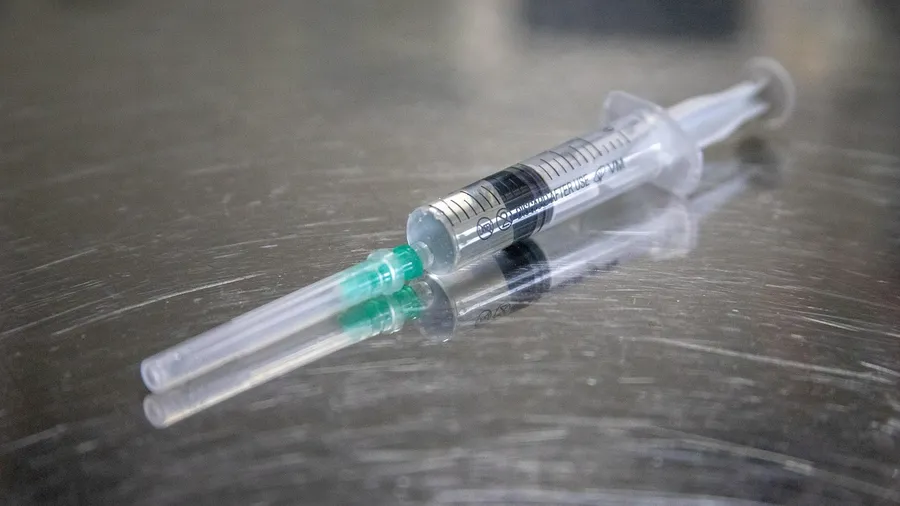
Chinese biotech Sciwind and its commercial partner Pfizer dropped a bombshell at the ADA Scientific Sessions: their experimental GLP-1 drug, efinopegdutide, helped obese patients lose 12.8% of their body weight in just 20 weeks. Novo Nordisk’s blockbuster semaglutide (marketed as Wegovy for weight loss) managed only 9.5% in the same head-to-head study. The 35% relative difference was splashed across Pfizer’s official WeChat account.
Novo Nordisk’s response was swift and uncharacteristically forceful. The Danish drugmaker issued a rare official statement on its China website, directly challenging the data. For a company that usually lets its clinical record speak for itself, the move signals deep anxiety about China’s booming obesity market — and the local players closing in on its crown jewel.
The Data That Sparked a Firestorm
The SLIMMER-UP-SWITCH study randomized 163 Chinese adults with obesity to either efinopegdutide or semaglutide. Presented at the ADA conference by lead investigator Professor Ji Linong of Peking University People’s Hospital, the 20-week interim results showed significant advantages for the Chinese drug.
| Metric | Efinopegdutide | Semaglutide | P-value |
|---|---|---|---|
| 20-week weight loss (% of baseline) | 12.8% | 9.5% | <0.001 |
| Patients achieving ≥10% weight loss | 74.4% | 39.5% | <0.001 |
Source: Huxiu / Jiemian reporting on ADA 2025 presentation
On its face, efinopegdutide looked like a potential category killer. The proportion of patients losing at least 10% of body weight — a clinically meaningful threshold — was nearly double that of semaglutide. But there were plenty of asterisks.
The trial was open-label, meaning both doctors and patients knew which drug they received — a design that can introduce bias. With only about 80 patients per arm, it was a Phase II exploratory study, not a definitive comparison. And the readout was at just 20 weeks, while the trial’s primary endpoint is at 48 weeks.
Novo Nordisk’s Unusual Rebuttal
The company’s China statement picked apart the findings. It pointed to its own STEP clinical program, where semaglutide 2.4mg showed an average 13.4% weight loss at 20 weeks across multiple studies — far higher than the 9.5% seen in the Chinese comparator trial. Even in the STEP 7 study, which enrolled predominantly Chinese patients, semaglutide achieved 10.1% weight loss at 20 weeks.
“The differences in results may be related to study design, subject population characteristics, sample size, and statistical methods,” Novo Nordisk wrote, adding that the full 48-week data and long-term safety results were still pending. The company emphasized that the two drugs showed no significant difference in common gastrointestinal side effects based on currently available data.
That last point stings. Efinopegdutide is a biased GLP-1 receptor agonist, designed to preferentially activate the cAMP pathway (responsible for weight loss) over the β-arrestin pathway (linked to nausea and other GI side effects). The pitch: similar efficacy with better tolerability. If the safety advantage doesn’t materialize, much of the differentiation disappears.
Professor Ji, the study’s lead investigator, himself cautioned that these are only Phase II results from a small sample and that larger, longer Phase III trials are needed. An industry executive unaffiliated with the study told Jiemian that the trial’s design wasn’t strong enough to justify submission to top-tier journals — a subtle dig at the quality of evidence.
China’s GLP-1 Gold Rush
Novo Nordisk’s preemptive strike makes sense only in the context of China’s metabolic disease market. Obesity and diabetes rates are soaring. When pharmacies start advertising “weight management drugs in stock” the way they once touted Viagra, you know a blockbuster category is born.
The market opportunity is staggering. China has the world’s largest population of people with obesity and type 2 diabetes. Semaglutide’s Chinese patent expires in 2026, and local generic and innovative drugmakers are swarming. By some counts, more than 100 GLP-1 programs are in development across China. Head-to-head trials against semaglutide — once unthinkable — are now routine among ambitious domestic biotechs.
Pfizer’s decision to pick up China rights to efinopegdutide from Sciwind shows just how serious Big Pharma is about this market. For Pfizer, a local obesity blockbuster could help offset declining COVID product revenues. For Sciwind, a homegrown challenger, data that even hints at superiority is a golden ticket — both for regulators and for commercial partners.
Implications for Novo’s China Dominance
Novo Nordisk cannot afford to lose China. The company has invested heavily, building a dedicated manufacturing facility in Tianjin and securing semaglutide’s inclusion on China’s national reimbursement drug list for diabetes. Wegovy was approved for weight management in China in June 2024, but the launch has been constrained by global supply limitations.
If a local competitor can demonstrate non-inferiority or superiority, it could win favorable pricing and rapid formulary access through domestic procurement programs that favor Chinese innovation. Even if the absolute efficacy difference is modest, a locally produced drug with a domestic supply chain could dramatically undercut on cost.
Novo’s reaction is not just about one Phase II dataset. It’s about setting the terms of debate. By publicly challenging the study’s methodology, Novo aims to plant doubt in the minds of prescribers, payers, and investors — and to signal that it won’t cede scientific authority without a fight.
But the rebuttal also reveals vulnerability. The fact that a 163-patient interim analysis forced a formal corporate statement suggests the company sees the ground shifting beneath it. In a market where government policy strongly encourages domestic innovation, even imperfect data can build momentum for a local challenger.
What to Watch
- 48-week results of SLIMMER-UP-SWITCH: If efinopegdutide’s advantage narrows or safety issues emerge at longer follow-up, Novo’s defense looks prescient. If the gap holds, Sciwind gets a major credibility boost.
- Phase III registration plans: Sciwind has indicated it will explore higher doses (up to 7.2mg) in future trials. A well-designed, double-blind Phase III would be the real test — and the data package for China NMPA filing.
- Chinese regulatory signals: Will NMPA accept a filing based primarily on Chinese clinical data? How will the agency balance competition concerns with safety standards? Any hints of abbreviated approval pathways would shake the market.
- Semaglutide biosimilars and domestic supply chains: With patent expiry approaching, watch for Chinese companies filing for generic semaglutide. Even if efinopegdutide succeeds, it will compete against much cheaper generics, reshaping pricing dynamics for the entire class.
The weight-loss drug war in China is just beginning. Novo Nordisk’s unusual public counterpunch shows it knows the stakes. Whether science, policy, or sheer market size wins the day remains to be seen.