
China's New 'Smart Trio' for Global Markets: Cars, Drones, Robots
China's overseas expansion pivots from hardware to AI-native tech: smart vehicles, low-altitude platforms, and embodied robots.
China's overseas expansion pivots from hardware to AI-native tech: smart vehicles, low-altitude platforms, and embodied robots.

China’s top embodied AI CEOs admit hardware is ready, but data scarcity and massive capital burns are the true barriers to scale.

Huawei's new OS isn't just a comeback—it's a declaration of independence from Android, powered by AI and 800 million devices.
NIO's new sub-brand Ledo just launched an SUV with battery swap for under $20,000, but the real target isn't the Model Y—it's BYD.

ByteDance's Doubao AI starred at Seres' AIVA car launch, contradicting its denial of car ambitions—the same pattern from its failed phone and VR plays.

Consumer humanoid robot prices have crashed below $1,300, but factories aren't buying bipedal dancers. The real action is in wheeled industrial models.

China's anti-dumping probe into a Japanese gas signals a shift from passive to offensive in the $3.3 billion photoresist market, where Tokyo still dominates.
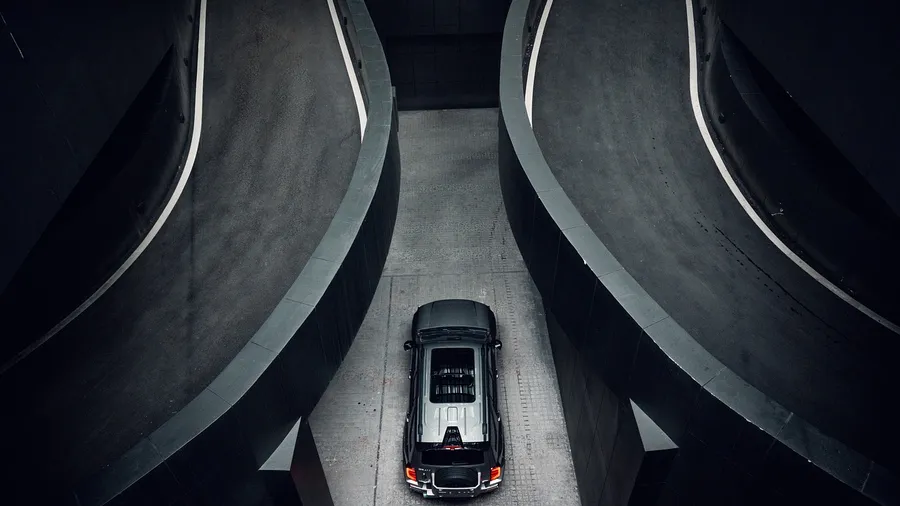
MIIT certification greenlights Xiaomi's Kunlun N3 full-size SUV, aimed squarely at Li Auto and Aito with a new sub-brand and 1,500-km range.
China's algorithm registry and data rules look opaque to outsiders, but they show how innovation survives inside boundaries—and what foreign builders must do.